
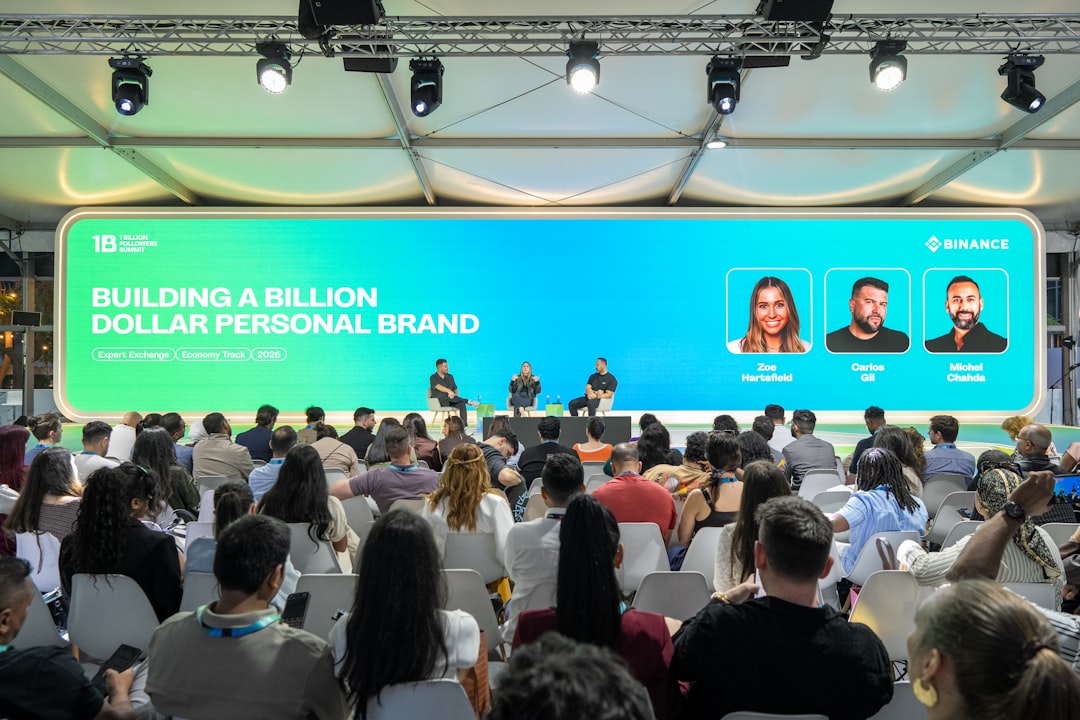
How to Build a Personal Brand as a Solo Founder in 2026 (Step-by-Step Guide)
Building a personal brand as a solo founder in 2026 is not optional — it is your most durable customer acquisition channel. Unlike paid ads that stop the moment you pause the budget, a strong personal brand keeps generating inbound leads, partnership opportunities, and trust-based conversions months and years after you create the content. This guide shows you exactly how to build one from scratch, even when you’re building your product at the same time.
Why Personal Branding Is the Solo Founder’s Unfair Advantage
Large companies spend millions on brand advertising that still feels generic. As a solo founder, your personal brand does something no corporate brand can do: it puts a real human being behind every product claim, every promise, and every piece of content. Professionals with active personal brands receive 47% more inbound opportunities than those with dormant profiles, according to 2026 LinkedIn data. And on a platform where only 1% of users actually create content, the bar for standing out is lower than most founders realize.
The core insight is this: people do not buy from companies they discovered yesterday — they buy from founders they have been following for months. When you build in public, share your thinking, and document your journey, you are not just marketing. You are compressing the trust timeline from months to weeks. By the time a prospect sees your cold email or visits your landing page, they already know who you are.
Choose One Platform and Commit: LinkedIn vs. Twitter in 2026
The biggest personal branding mistake solo founders make in 2026 is trying to post everywhere and running out of steam within six weeks. You cannot run a company and maintain a consistent presence on five social platforms simultaneously. Pick one primary platform that matches where your buyers actually spend time.
If your target buyers are B2B decision-makers — heads of sales, marketing, operations — LinkedIn is your platform. Personal profiles generate 8x more engagement than company pages, the algorithm rewards consistent posting, and a single well-timed post can reach tens of thousands of your ideal buyers organically. LinkedIn in 2026 prioritizes authentic personal content over polished corporate posts: your real wins, your real failures, your real process.
If your buyers are technical founders, early adopters, or the developer and startup community, Twitter/X is faster for discovery and has the most active founder network of any major platform. Posts go viral overnight in ways that rarely happen on LinkedIn. The tradeoff: Twitter is noisier and rewards volume more than LinkedIn does.
Most solo founders building B2B SaaS or services should start with LinkedIn and add Twitter once they have a content rhythm established. The sustainable posting cadence on LinkedIn: 2–3 posts per week, focused on 3–5 consistent content pillars.
The 5 Content Pillars That Build a Founder Personal Brand
Random posting does not build a personal brand — consistent positioning around specific topics does. Define 3–5 content pillars before you write your first post, and stick to them for at least 90 days. Here are the five pillars that work best for solo founders in 2026:
- Behind the build: Share what you are working on, what you decided, and why. « Today I scrapped our onboarding flow and rebuilt it from scratch — here’s what broke it. » This content builds trust because it is real, specific, and rare.
- Lessons from failure: Counter-intuitive insights and honest mistakes generate dramatically more engagement than success stories. « The pricing mistake that cost me 12 potential customers » outperforms « How I signed 5 new clients this month » almost every time.
- Industry takes: Share your specific point of view on a trend, tool, or debate in your space. This is where you become a voice rather than a vendor. Aim for positions that are defensible but not obviously true — that tension is what generates discussion.
- Tactical how-tos: Step-by-step practical content positions you as an expert. Document what you actually do, not a theoretical ideal. « The exact email sequence I use to convert free trials » is more valuable than « 5 tips for trial conversion ».
- Customer stories: Share wins with your customers’ permission. Tag them if they agree. This is social proof that does not feel like a testimonial page — it feels like a real conversation between real people.
How to Build in Public Without Oversharing
Building in public is the most effective personal branding strategy for bootstrapped solo founders because it turns your process into content automatically — you share what you are already doing, rather than inventing topics from scratch. But there is an art to building in public without oversharing in ways that hurt your positioning.
The rule is simple: share the thinking, not the drama. Sharing that you struggled to choose between two pricing models and explaining your reasoning process is valuable. Sharing that you are stressed about cash flow and do not know what to do next is not. The first builds authority through transparent expertise; the second undermines buyer confidence.
A practical building-in-public cadence for a solo founder: one post per week on what you shipped or decided and why; one post per week on a lesson or observation from customer conversations; one post per week on a broader industry take that relates to what you are building. That is three posts, each drawing from work you are already doing. No content calendar required — just the habit of capturing insights as they happen.
Turning Content into Conversations and Conversations into Customers
Content creates visibility; conversations create customers. The solo founders with the strongest personal brands in 2026 do not just post — they engage consistently in the comments, DMs, and replies of their ideal buyers. When your post surfaces in someone’s feed and they comment, that comment is an invitation. A thoughtful, specific reply starts a relationship that a hundred cold emails could not.
The conversion mechanism for personal-brand-driven sales is simple: content attracts prospects who match your ICP, engagement converts them from observers to connections, and direct outreach — a short, personal DM or email — converts connections into conversations. Because they already know who you are, the barrier is orders of magnitude lower than cold outreach to a stranger.
To scale this, tools like Fluenzr can handle the outbound email side of your pipeline, freeing you to focus your personal time on the high-value conversations that only you can have. The personal brand draws them in; the system ensures no qualified prospect slips through the cracks.
Measuring Your Personal Brand: The Metrics That Matter
Most solo founders track vanity metrics — follower count, likes, impressions — and conclude their personal brand is not working after three months. The metrics that actually matter are lagging indicators that take longer to appear:
- Inbound DMs per month: Are strangers reaching out to ask about your product or service? This is the clearest signal that your content is landing with the right audience.
- Profile visits per week: Are your posts driving people to investigate who you are? A rising profile visit rate with flat follower count often means you are reaching new people who are evaluating you — a good leading indicator.
- Pipeline source tracking: How many of your qualified leads in the last 90 days found you through content? Even a rough tracking system (ask prospects how they heard of you) reveals whether your personal brand is generating commercial impact.
- Speaking/guest requests: Invitations to speak, guest post, or be featured in newsletters are the strongest signal of growing authority in your niche.
Consistency compounds. Most solo founders see meaningful business impact from personal branding between months 4 and 8 — not month 1. The founders who give up at month 3 never see the return on what they already invested.
Conclusion
Building a personal brand as a solo founder in 2026 is the single highest-ROI marketing investment you can make when you have limited time and zero ad budget. Pick one platform, define 3–5 content pillars, post 2–3 times per week, and engage in every comment thread you can. Do this for six months and the compound effect will produce inbound leads that no paid channel can match. Your story — the real, specific, imperfect version — is your most differentiated asset. Start sharing it today.