How to Automate Sales Outreach as a Solo Founder: Complete Guide 2026
If you’re a solo founder trying to grow revenue, you already know the math: outreach is a numbers game, but you only have so many hours. The good news is you can automate sales outreach without sacrificing personalization — and in 2026, the tools to do it are better, cheaper, and more accessible than ever.
This guide walks you through exactly what to automate, which tools to use, and how to set up a system that generates pipeline on autopilot — even when you’re heads-down building your product.
Why Sales Outreach Automation Is Critical for Solo Founders
As a solo founder, you wear every hat. You’re the product manager, the support team, and the salesperson. Manual outreach — one email at a time, one follow-up at a time — doesn’t scale. You run out of time long before you run out of potential customers.
Here’s what happens without automation: you reach out to 20 prospects a week, get a 10% reply rate, and book 2 calls. With a basic automated sequence hitting 200 targeted prospects per week at the same reply rate, you’re booking 20 calls — without working more hours.
The shift isn’t about being spammy. It’s about being systematic. Automation handles the repetitive mechanics (timing, follow-ups, tracking) so you can focus your energy on the actual conversations.
Want to see how this fits into a broader B2B sales prospecting strategy? That guide covers the full picture, from ICP definition to closing deals.
What to Automate in Sales Outreach: The Three Pillars
Not everything should be automated. Here’s where it makes sense:
1. Cold Email Sequences
This is the highest-leverage automation for solo founders. A sequence typically looks like:
- Email 1 (Day 1): Short, specific intro — reference their company, a recent post, or a problem relevant to their role.
- Email 2 (Day 3): Add value — share a relevant resource, case study, or insight. No ask.
- Email 3 (Day 7): Direct ask — « Is this something you’re working on? Happy to share how we approached it. »
- Email 4 (Day 14): Final bump — short, no pressure. « Closing the loop on this. »
The key is writing these once, with merge fields for personalization, and letting the tool handle delivery and timing automatically.
2. LinkedIn Connection and Follow-Up
LinkedIn outreach is still powerful for B2B, but it’s time-consuming at scale. Automating connection requests and initial messages (within LinkedIn’s daily limits) lets you build your network and pipeline simultaneously. The rule: automate the connection and first touch, personalize from there.
For deeper tactics on this channel, check out our guide to LinkedIn prospecting for B2B — it covers profile optimization, message frameworks, and how to convert connections into calls.
3. Follow-Up Triggers
Most deals don’t close on first contact. The fortune is in the follow-up — but manually tracking who to follow up with and when is a nightmare. Automated triggers (if no reply in 3 days, send follow-up; if email opened 3 times but no reply, send breakup email) handle this without you thinking about it.
Best Tools to Automate Sales Outreach in 2026
The market has matured significantly. Here are the tools that actually work for solo founders — not enterprise teams with full-time SDRs.
FluenzR — Cold Email Automation Built for Founders
FluenzR is purpose-built for founders who want to run personalized cold email sequences without the complexity of enterprise tools. It handles email warm-up, sequence building, delivery optimization, and reply detection — all in one place. The AI-powered personalization layer means your emails feel human even when they’re going out at scale. For solo founders who live and die by cold email, this is the starting point.
Apollo.io — Prospecting and Outreach Combined
Apollo lets you find prospects (by role, industry, company size) and reach out to them in the same platform. Good for solo founders who don’t have a lead list yet. The free tier is genuinely useful for getting started, and it integrates with most email tools including FluenzR.
Lemlist — Multi-Channel Sequences
Lemlist combines email and LinkedIn outreach in one campaign. Useful if you want to reach prospects across both channels with coordinated messaging. Slightly more complex to set up, but powerful for multi-touch campaigns.
BskyGrowth — For Bluesky Social Outreach
If your ICP is tech-forward and active on Bluesky, BskyGrowth helps you grow your audience and engage with your target market on the platform. Combining social presence with direct outreach is increasingly effective for B2B founders targeting developers and early-adopter buyers.
Zapier / Make — The Glue
These automation platforms connect your outreach tools with your CRM, calendar, and notification systems. When a prospect replies, automatically create a CRM record. When a deal closes, trigger an onboarding sequence. Essential for building a coherent sales stack without writing code.
For a broader overview of the tools every solo founder should have, see our complete solo founder tools guide.
Step-by-Step: Setting Up Your First Automated Outreach System
Here’s a practical setup you can have running in an afternoon:
- Define your ICP tightly. Automation amplifies both good and bad targeting. Know exactly who you’re reaching — role, company size, industry, trigger event (new funding, hiring, product launch).
- Build a prospect list. Use Apollo, LinkedIn Sales Navigator, or a tool like Clay to pull 100-200 targeted prospects. Export to CSV.
- Write your sequence. 3-4 emails, each under 100 words. Subject lines: plain, no hype. Tone: direct, curious, not salesy. Include 2-3 personalization fields (name, company, specific reason for reaching out).
- Set up FluenzR. Import your list, connect your sending email, upload your sequence. Set daily sending limits (50-100 emails/day max to protect deliverability). Enable email warm-up if your domain is new.
- Configure reply handling. Set the sequence to pause automatically when a prospect replies. You don’t want an automated follow-up firing after someone said yes.
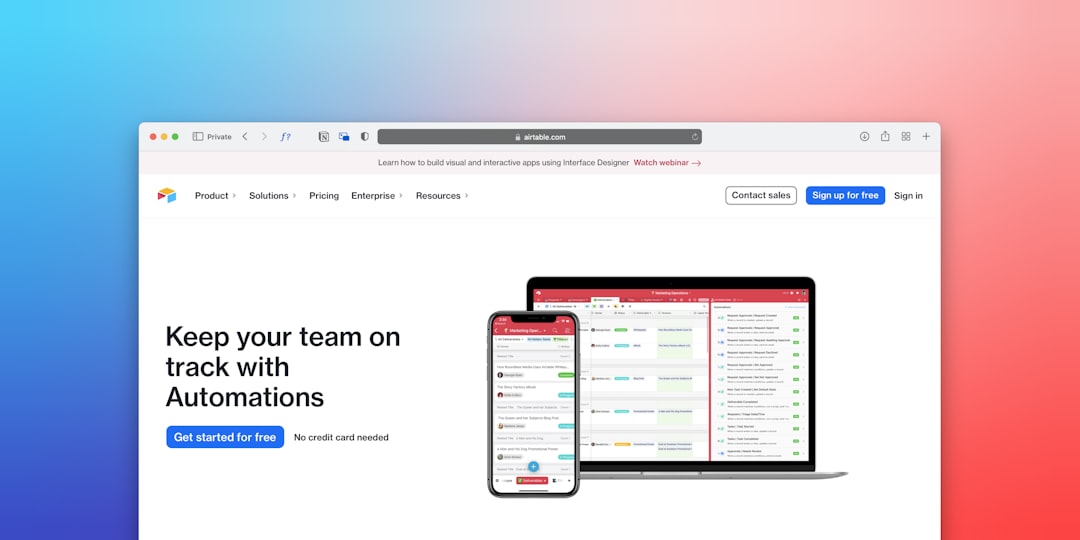
- Connect to your CRM. Use Zapier to push replies and positive responses into your CRM or a simple Notion/Airtable board. Track conversion at each stage.
- Launch small, then scale. Start with 20-30 prospects to test deliverability and response. Tweak subject lines and first lines based on open and reply rates, then open the throttle.
Mistakes Solo Founders Make When Automating Outreach
The tools are the easy part. These are the mistakes that kill results:
- Sending volume too high too fast. New domains sending 200 emails/day will hit spam. Warm up gradually — 20/day in week one, scale up over 4-6 weeks.
- Generic first lines. « I noticed you work at [Company] » is not personalization. Reference something specific — a recent blog post, a funding round, a LinkedIn comment they made. AI tools can generate this at scale.
- Too many emails in the sequence. Four is usually the sweet spot. More than that and you risk annoying people who simply weren’t interested.
- No clear call to action. « Let me know your thoughts » is not a CTA. Ask a specific question or propose a specific, low-friction next step: « Would a 20-minute call this week or next work? »
- Ignoring deliverability. Check your sender reputation monthly. Use tools like Mail-Tester or MXToolbox. A healthy domain is the foundation of everything else.
- Automating too early. Before you scale with automation, validate your message manually. Send 10 emails by hand. If you can’t get a response rate above 5%, more volume won’t fix a broken message.
Measuring Results: The Metrics That Actually Matter
Don’t drown in vanity metrics. For an automated outreach system, track these four numbers weekly:
- Open rate: Target 40-60% for cold email. Below 30% usually signals a subject line problem or deliverability issue.
- Reply rate: Target 5-15% for well-targeted cold outreach. This is the core signal. Below 5% means your message or targeting needs work.
- Positive reply rate: How many replies are interested vs. unsubscribes. Aim for 30-50% of replies being positive or curious.
- Meetings booked per 100 prospects: This is your true north. A healthy automated system should book 3-8 meetings per 100 targeted outreaches.
Review these weekly. Make one change at a time — subject line, first line, CTA, or target list — and measure the impact. Treat your outreach system like a product: iterate based on data, not gut feeling.
When you’re ready to build a more complete revenue engine beyond outreach, the fundamentals of lead generation for small businesses will help you think through the full funnel.
The Bottom Line
The solo founders winning in 2026 aren’t necessarily the best salespeople — they’re the ones who’ve built systems that sell while they sleep. Automating your sales outreach isn’t about removing the human element; it’s about deploying your human energy where it matters most: the real conversations, the relationship-building, the closing.
Start with one sequence, one tool, one ICP. Get it working. Then scale. The technology is ready — the only thing left is to build the system.